
Retained earnings hold enormous significance for business owners and potential investors as they are a barometer of a company’s financial health and historical profitability. When a company consistently boasts positive retained earnings, it’s generally seen as a signal of a profitable company that can self-fund its growth, appealing to investors seeking stable investments. The statement of retained earnings is a crucial financial document that tracks the cumulative earnings retained by a company over time. By understanding and effectively managing retained earnings, businesses can reinvest in growth opportunities, pay down debt, and improve overall financial stability. Finally, calculate the closing balance of retained earnings for the current period. This involves adding the net income or subtracting any net loss reported from the opening balance, followed by deducting dividends.
Retained Earnings Strategies for Different Business Stages
- This reservoir is known as retained earnings, a pivotal component of shareholder equity that reflects a firm’s financial health and strategic understanding.
- Retained earnings are a key component of a company’s equity on the balance sheet.
- The statement of retained earnings is a financial statement that is prepared to reconcile the beginning and ending retained earnings balances.
- The resulting figure is the balance of retained earnings at the end of the period that should appear in the stockholders’ equity section of the entity’s balance sheet.
This financial figure is not a stagnant value but changes over accounting periods as the company earns more profits or incurs losses. The retained earnings account balance as per adjusted trial balance of the unearned revenue company was $3,500,000. During the year, the company declared and paid a dividend of $250,000 to its stockholders.
Prepaid Rent Key: Let’s Unpack This Accounting Trick
While the importance of retained earnings may be clear, there are two different types of retained earnings that must be distinguished. This article will detail what retained earnings are and show an example of how it looks in practice.
Company
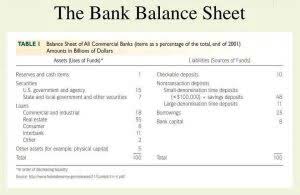
They are typically found in the equity section, which is located at the bottom half of the balance sheet. This financial statement of retained earnings flexibility adds resilience to the business, helping it navigate harsh market conditions. The examples of Statement of Retained Earnings discussed below address as many situations/variations as possible. These situations are not fully exhaustive, and it is possible to encounter the ones that vary from those given below.

Retained earnings are not an asset but reflect the shareholder’s equity in a business. Imagine a reservoir of funds, steadily growing with each fiscal period, held back by a company for future investment, debt reduction, or as a cushion against unforeseen financial challenges. This reservoir is known as retained earnings, a pivotal component of shareholder equity that reflects a firm’s financial health and strategic understanding. Retained earnings are a business’s remaining earnings after paying all of its direct and indirect expenses, income taxes, and dividends to shareholders. The equity stake in the company can be used, for example, to fund marketing, R&D, and new machinery purchases. As internal stakeholders already have access to the retained earnings information, the statement of retained earnings is primarily prepared for external parties like investors and lenders.
- Thus, they are a portion of the business profits that are kept aside for various purposes like paying dividends to shareholders, paying off loans, or making new investments that will bring further returns for the business.
- Although this statement is not included in the four main general-purpose financial statements, it is considered important to outside users for evaluating changes in the RE account.
- While net income measures a company’s earnings for a single period, retained earnings show the accumulation of profits over time.
- The number of shares remained unchanged throughout the year, as Nova did not make any new issues during 2021.
- Dividends are distributions of the company’s profits to its shareholders, decreasing the retained earnings balance.

This guide explains the purpose of the retained earnings statement, its formula (Beginning RE + Net Income – Dividends), and how to prepare one with clear examples and analysis. Retained earnings are made up of net income (the profit the company has made) minus dividends (the portion of profits paid out to shareholders). It grows over time when the company makes a profit and doesn’t pay all of it out as dividends, but it can shrink if the company has a loss or pays out more in dividends than it earned.

Yes, retained earnings usually have a credit balance, reflecting profits not distributed as dividends. When losses surpass profits, a debit balance, also known as an “accumulated deficit,” occurs. This example separates each element that affects the retained earnings, presenting a transparent view to anyone examining the financial health of Sally’s Bakery. The statement shows that the retained earnings have increased after accounting for the net income and dividends paid.

- Companies with a robust stash of retained earnings are the agile ninjas, ready to pounce on opportunities, invest in innovation, and survive downturns better than their debt-laden counterparts.
- As you can see, the beginning retained earnings account is zero because Paul just started the company this year.
- Retained earnings appear in the balance sheet as a component of stockholders equity.
- If the company is not profitable, net loss for the year is included in the subtractions along with any dividends to the owners.
- If a net loss occurs, instead of adding, it should be deducted from the retained earnings balance.
The statement of retained earnings, also known as the statement of changes in equity, is like a diary of a company’s retained earnings over a period—usually quarterly or annually. Basically, you take the amount of retained earnings from the previous period, add any profits (or subtract losses) from the current period, and then subtract any dividends you’ve paid out to shareholders. While net income measures a company’s earnings for a single period, retained earnings show the accumulation of profits over time. Both figures are essential for assessing a How to Run Payroll for Restaurants company’s financial performance, with net income indicating short-term profitability and retained earnings displaying long-term economic strength through its reserves. Understanding the difference between appropriated and unappropriated retained earnings is crucial for anyone analyzing a company’s financial statements.
Leave a Reply